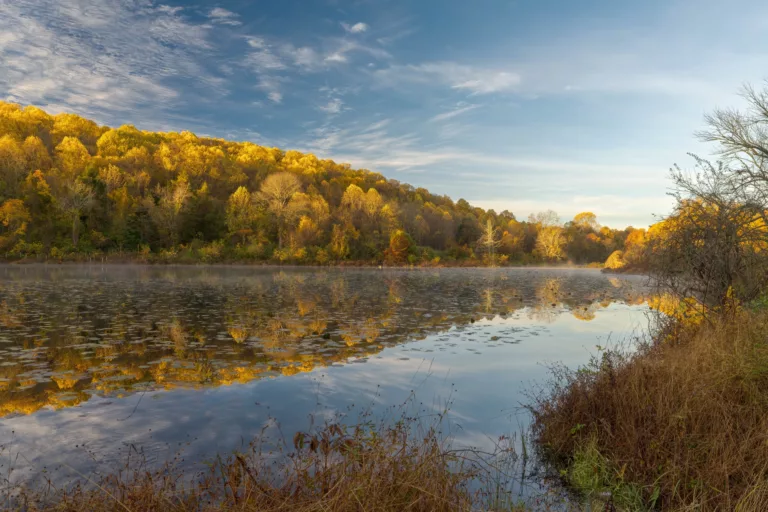
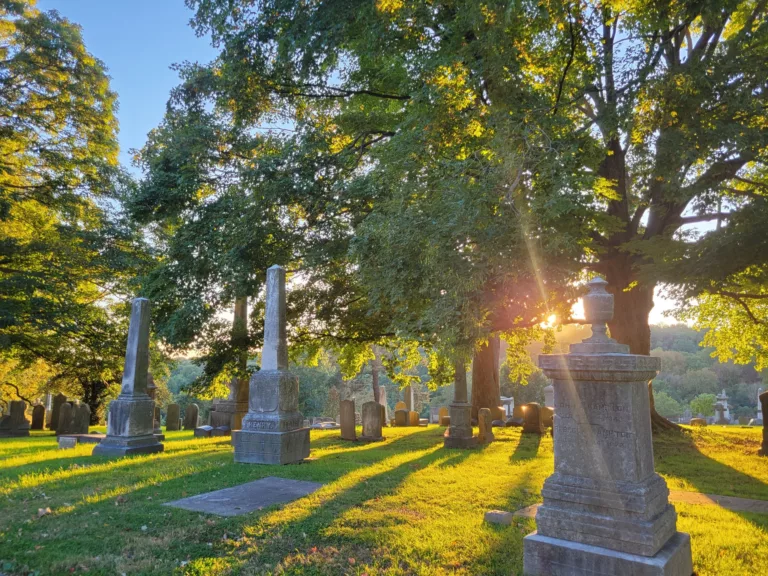
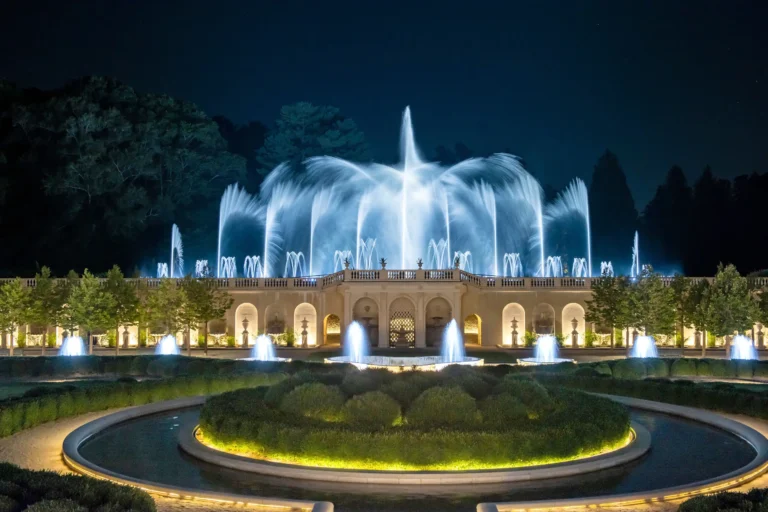
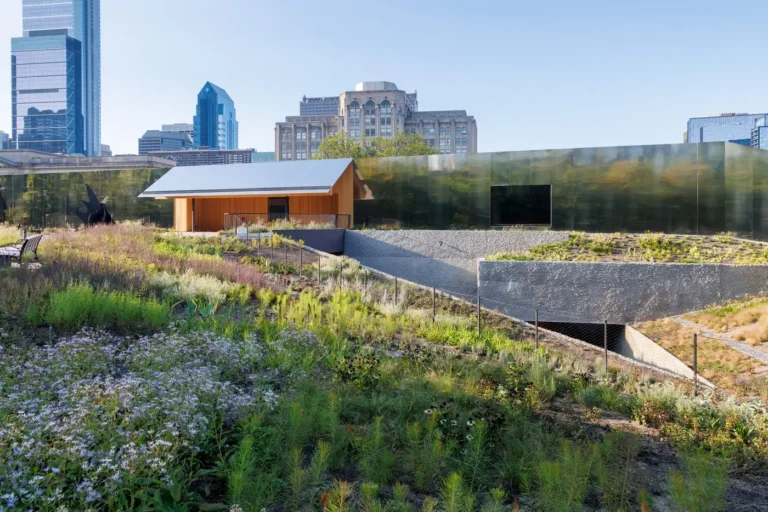
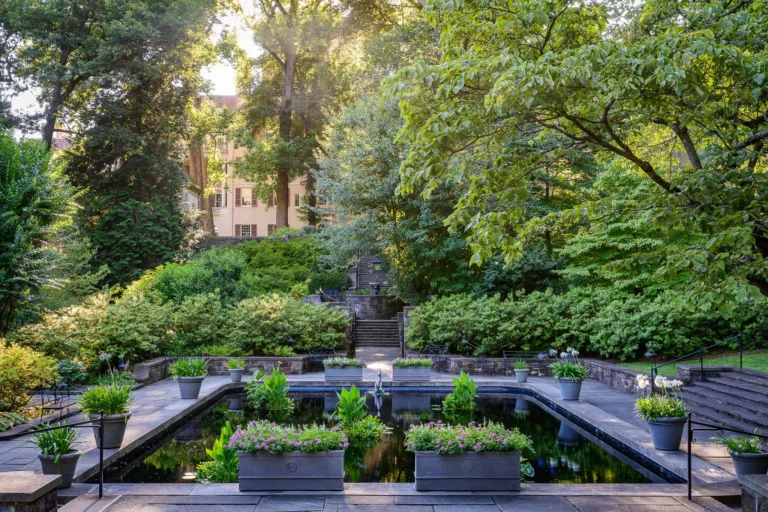
As the United States approaches its 250th anniversary, the Philadelphia region offers a unique lens into the nation’s story—not just through historic sites, but through its landscapes. Seeds of a Nation invites visitors to explore how gardens, estates, and cultivated land have shaped American identity over time. At Chanticleer, that story unfolds across generations, where history and horticulture are deeply intertwined.
From Philadelphia Industry to Main Line Retreat
Chanticleer’s origins trace back to the Rosengarten family, whose legacy began with a German immigrant entering Philadelphia’s thriving chemical trade in the 19th century. By the early 1900s, that success had afforded the next generation the opportunity to shape a different kind of legacy—one rooted in land, design, and quiet retreat.
In 1912, Adolph G. Rosengarten Sr. purchased seven acres in St. Davids, Pennsylvania, envisioning a summer home that would offer respite from city life. The property, once farmland dotted with mills, reflects a broader pattern in the region’s history: the transformation of working landscapes into carefully designed estates, many of which would later become public gardens.
Architecture Meets Landscape
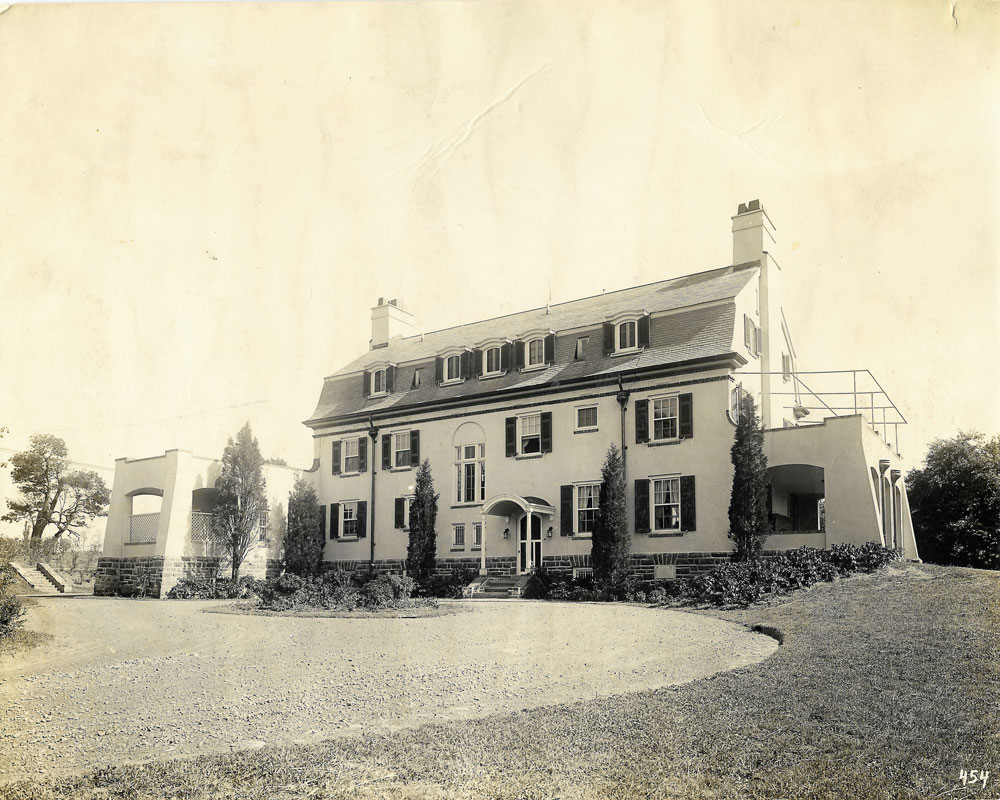
To bring this vision to life, Rosengarten commissioned architect Charles L. Borie to design the house—an elegant blend of English and French country influences with American Colonial Revival sensibilities. But it was the landscape that would ultimately define Chanticleer’s enduring character.
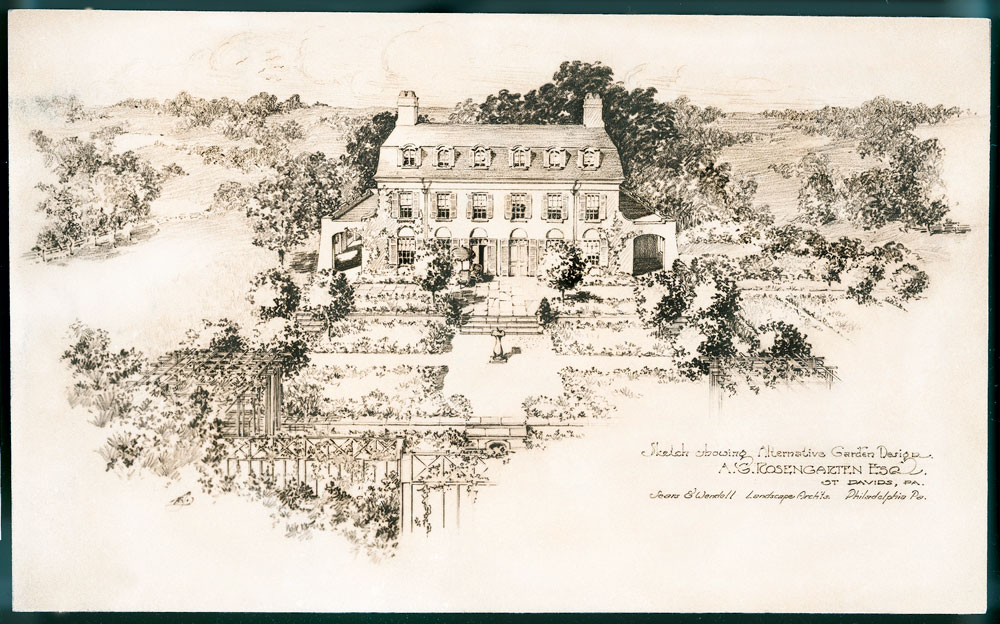
In 1913, landscape architect Thomas Warren Sears designed the garden’s sweeping terraces. Rather than treating the landscape as separate from the home, Sears conceived it as an extension of the architecture itself. The terraces flow outward from the house, blurring the line between built and natural environments—a design philosophy that continues to shape Chanticleer today.
A Life Shaped by History
The next chapter of Chanticleer’s story reflects the global events that shaped an entire generation. In 1941, Adolph G. Rosengarten Jr. enlisted in the U.S. Army at the outbreak of World War II. His service included training at Bletchley Park, the epicenter of Allied codebreaking efforts.
Though much of his work remained classified for decades, his contributions were significant—earning him a Bronze Star and five battle stars. After the war, he pursued a doctorate at the University of Pennsylvania, channeling his experiences into a lifelong passion for military history.
From Private Estate to Public Garden
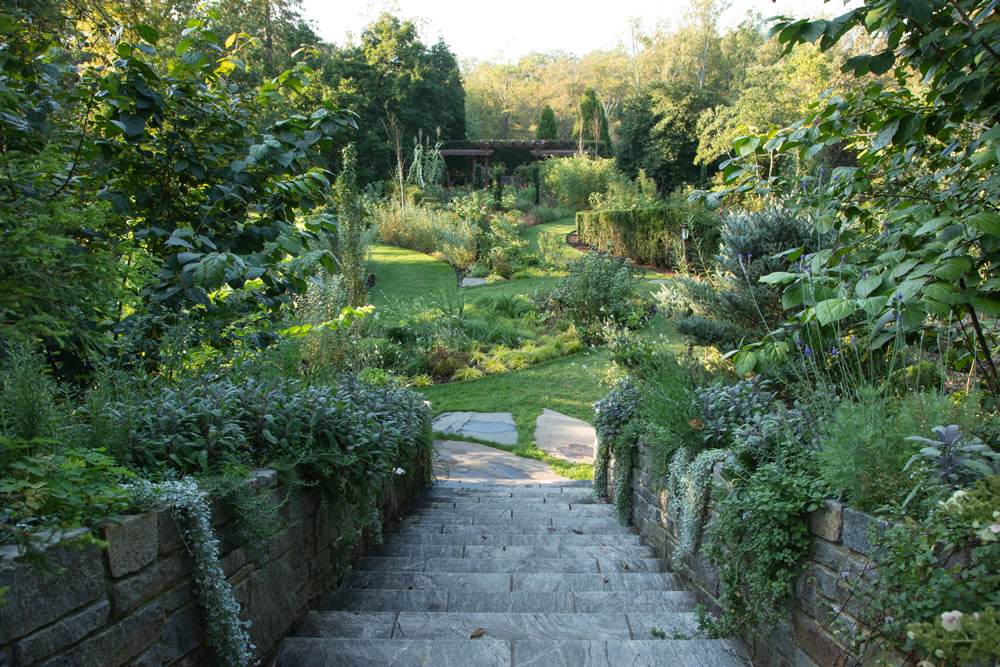
What began as a private retreat has evolved into one of the most celebrated public gardens in the United States. Today, Chanticleer is known not for preserving a static historical landscape, but for embracing change—reflecting the rhythms of nature through dynamic, innovative plantings.
Unlike traditional formal estates, Chanticleer’s gardens are designed as a series of distinct “rooms,” each with its own character, mood, and seasonal expression. This approach transforms a visit into a journey—one that rewards curiosity, invites exploration, and reveals something new with every step.
Why Visit Chanticleer Today?
Chanticleer embodies the spirit of Seeds of a Nation: a story of growth, transformation, and stewardship rooted in the Philadelphia region. Its evolution—from industrial wealth to cultivated landscape to public garden—mirrors broader American themes of innovation, reinvention, and a deepening relationship with the land.
For visitors, it offers more than beauty. It’s an immersive experience in horticultural artistry, where:
- Historic design principles meet contemporary planting techniques
- Seasonal change becomes a central feature, not a backdrop
- Every visit feels different—shaped by time, weather, and growth
Plan Your Visit
Whether you’re drawn by its layered history, its innovative horticulture, or simply the desire to experience one of the region’s most beloved gardens, Chanticleer invites you to slow down, look closely, and connect with a living landscape shaped over generations.
In a region that helped shape a nation, places like Chanticleer remind us that history doesn’t just live in buildings and archives—it grows all around us.