Long before botany became a formal science, Philadelphia was already a center of discovery. Along the banks of the Schuylkill River, a small network of gardens and landscapes helped shape how we understand plants today—from early exploration to academic study. This itinerary traces that evolution across three sites, each representing a different chapter in the story of American horticulture.
A Landscape of Discovery
These three sites—located within minutes of each other in West Philadelphia—tell a single, continuous story:
- At Bartram’s Garden, plants were discovered
- At The Woodlands, they were collected and tested
- At James G. Kaskey Memorial Park, they were studied and taught
Together, they reveal how Philadelphia became a place where curiosity about the natural world grew into a scientific discipline—one that continues to shape how we understand and care for plants today.
This itinerary can easily be completed in an afternoon and is a great choice for those who appreciate the underlying history and science behind public gardens.
Stop 1: The Birthplace of American Botany
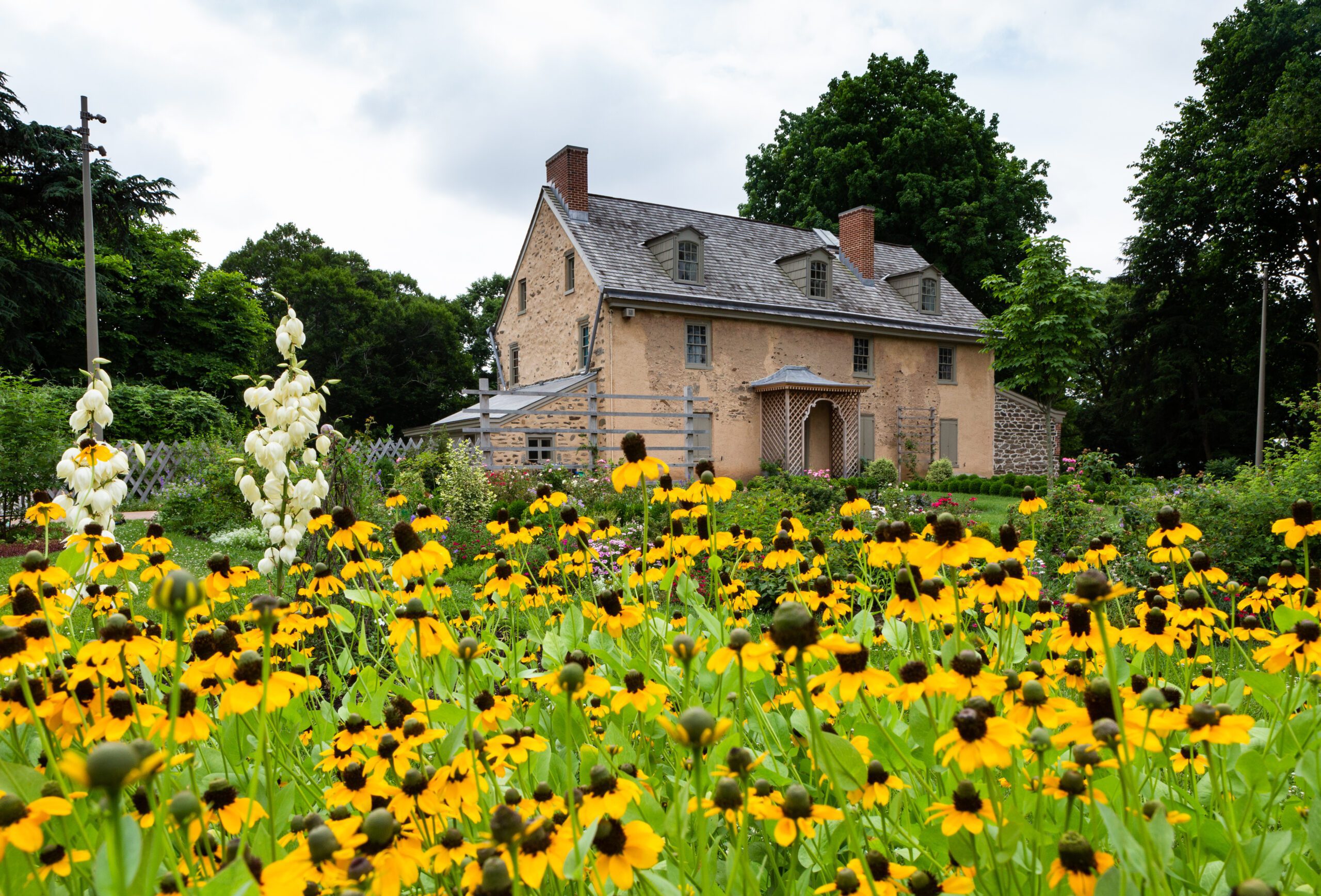
Begin where it all started. Founded in 1728 by John Bartram, Bartram’s Garden is the oldest surviving botanical garden in North America.
Here, Bartram observed, collected, and cultivated plants native to the region—sharing seeds and specimens with scientists across Europe. His work helped introduce American flora to the world and laid the foundation for botanical study in the United States.
➔ What to notice:
The relationship between the garden and the river, the mix of cultivated and natural landscapes, and the sense of experimentation that defined early plant exploration.
Stop 2: Where Global Exchange & Experimental Landscapes Took Root
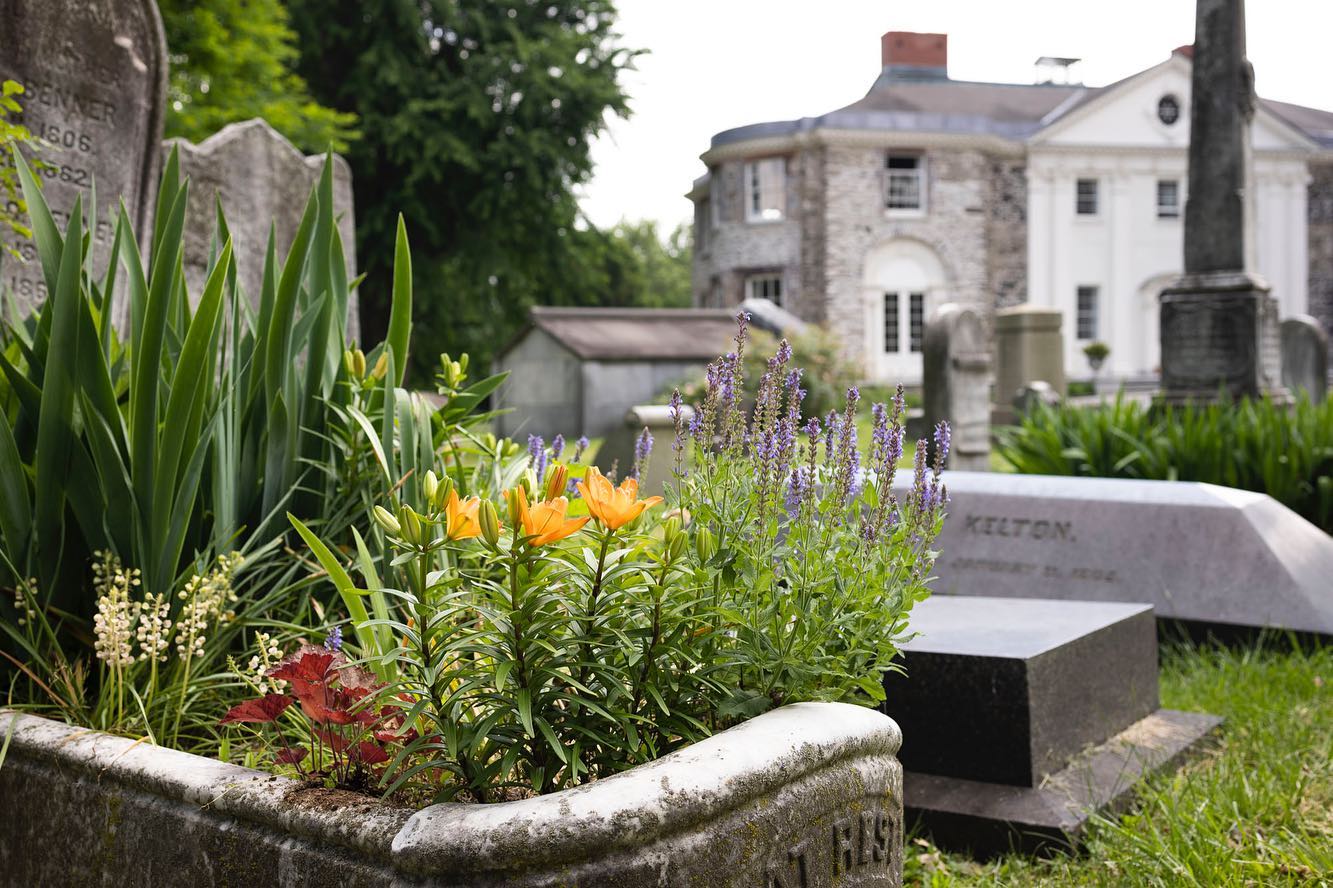
Just minutes away from Batram’s, The Woodlands expands the story through the vision of William Hamilton. In the late 18th century, Hamilton transformed his estate into a globally significant collection of rare and exotic plants.
Where Bartram focused on native species, Hamilton looked outward—importing plants from Asia and beyond, testing what would thrive in American soil.
➔ What to notice:
The scale of the landscape, the diversity of tree species, and how the site reflects a shift from discovery to intentional cultivation and design.
Stop 3: Botany & Science Converge
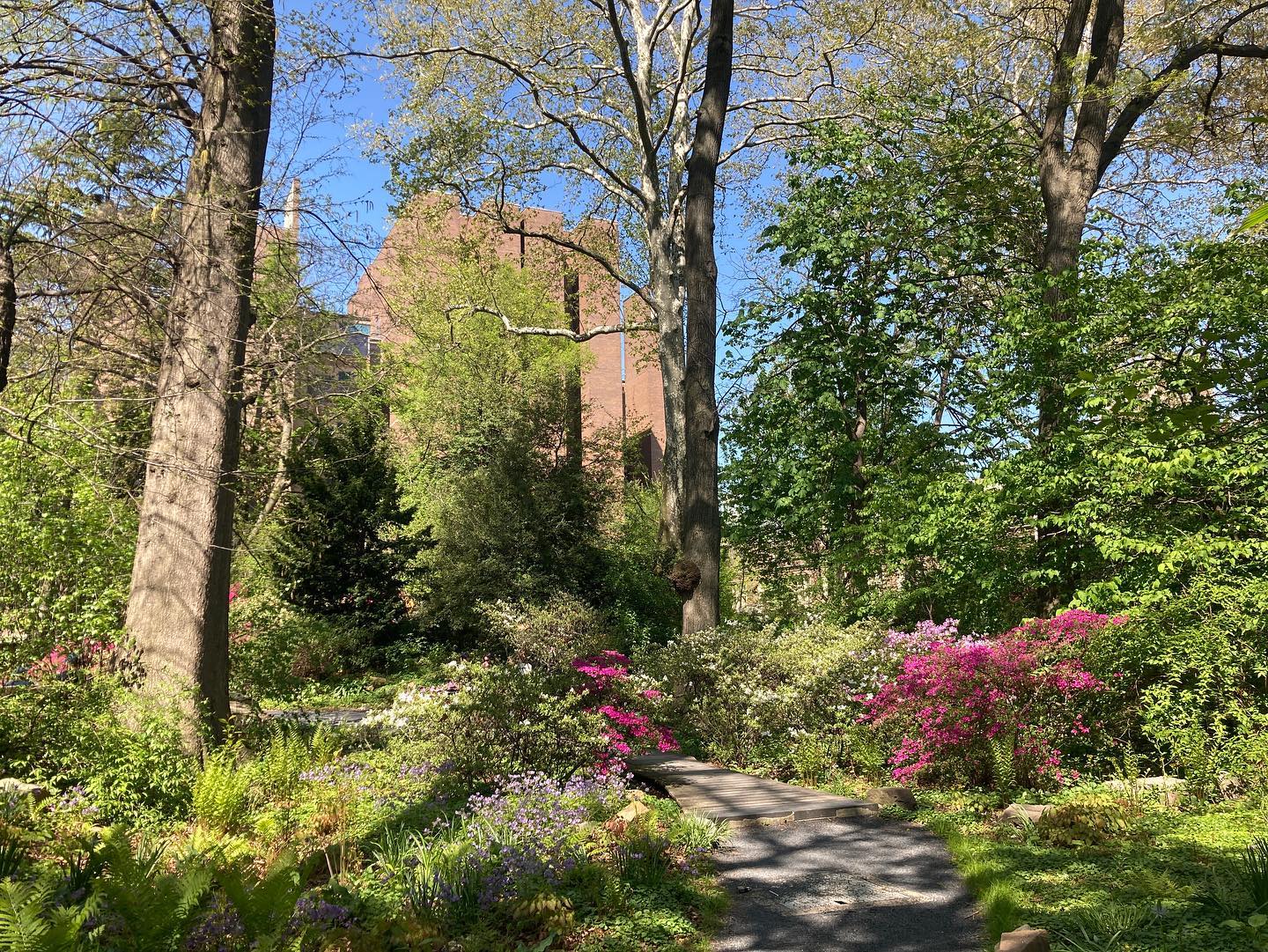
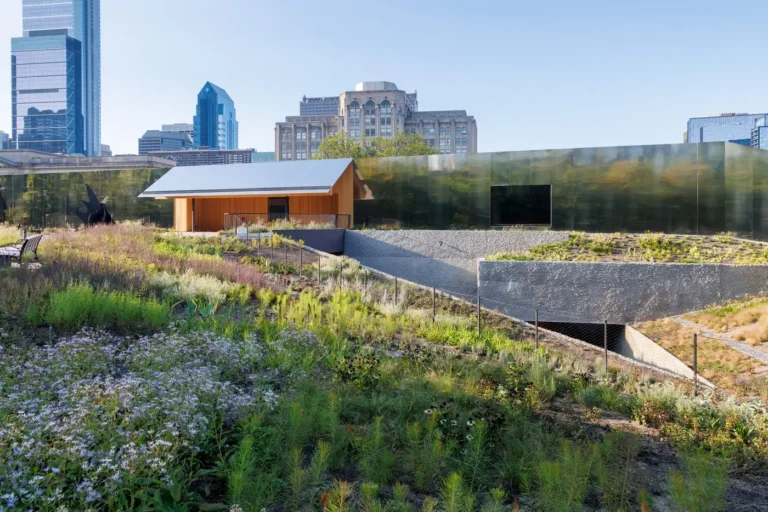
Conclude your journey at Kaskey Park, home to Penn’s historic “BioPond.” Established in the late 19th century as part of the University of Pennsylvania’s biology program, this site represents the moment when botany moved into the classroom and laboratory.
Designed for teaching and research, the park’s plantings, pond, and greenhouse spaces supported hands-on scientific study—transforming centuries of observation into formal education.
➔ What to notice:
The structure of the landscape, the diversity of plant environments, and the presence of students and researchers continuing this legacy today.