Guest article by Anthony S. Aiello Associate Director, Horticulture at Scott Arboretum & Gardens
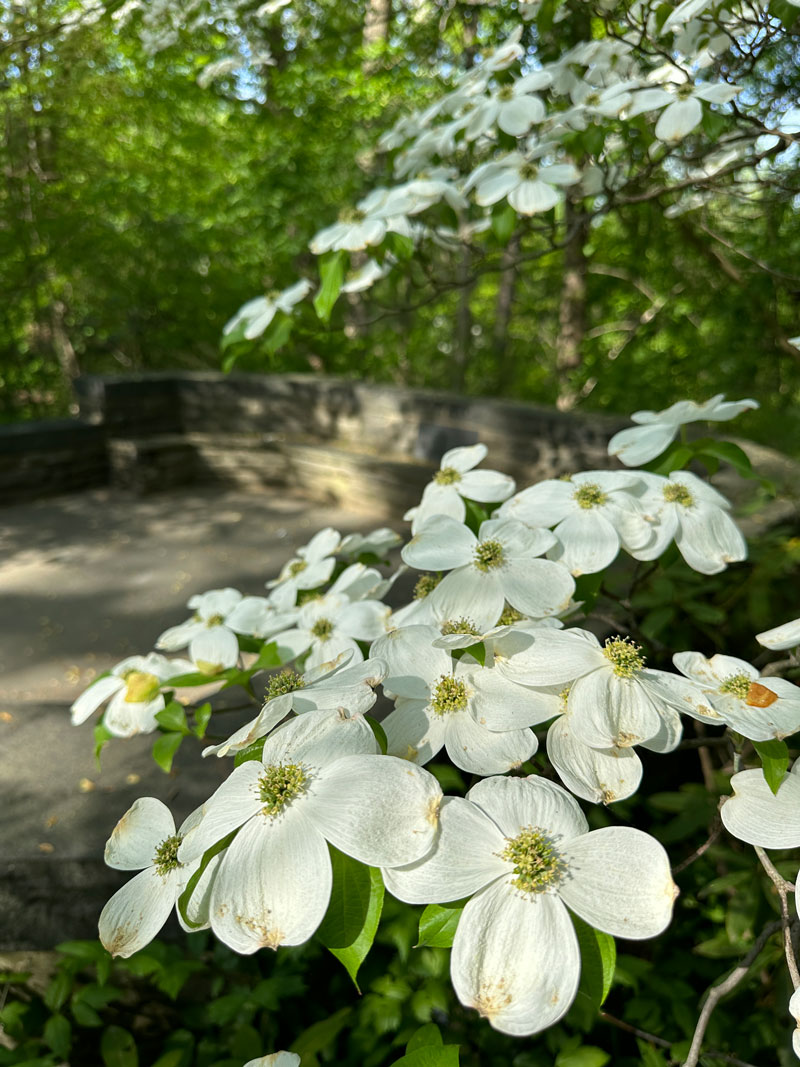
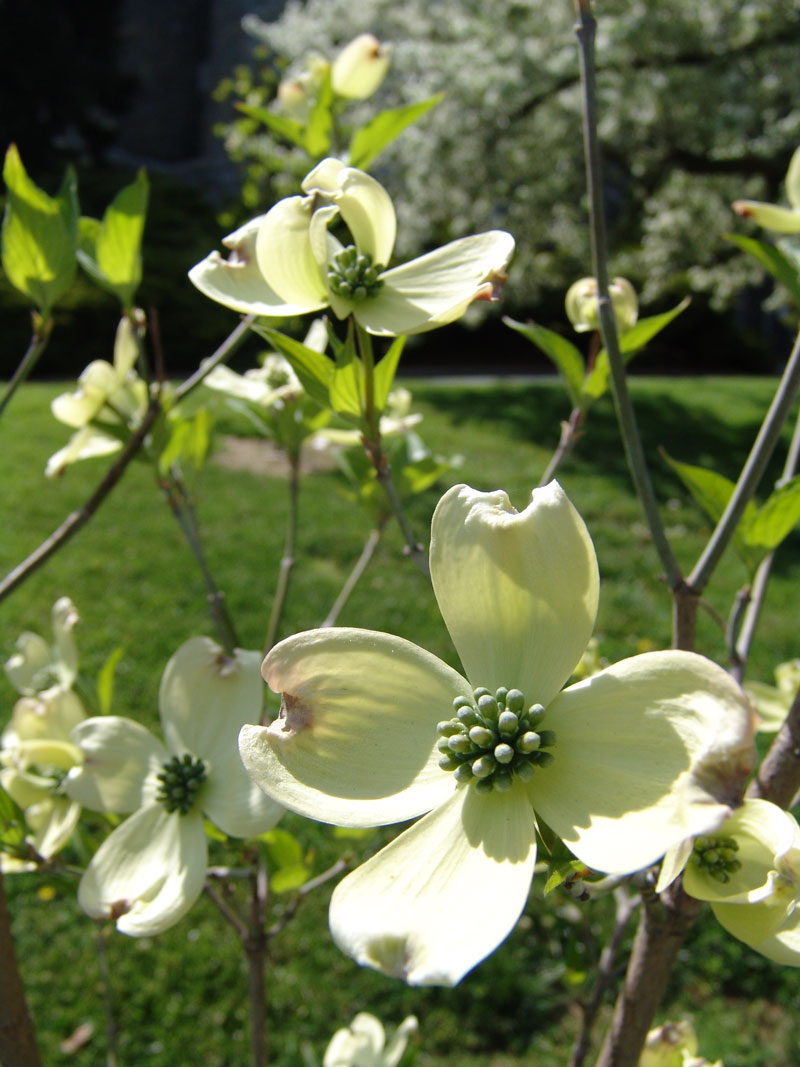
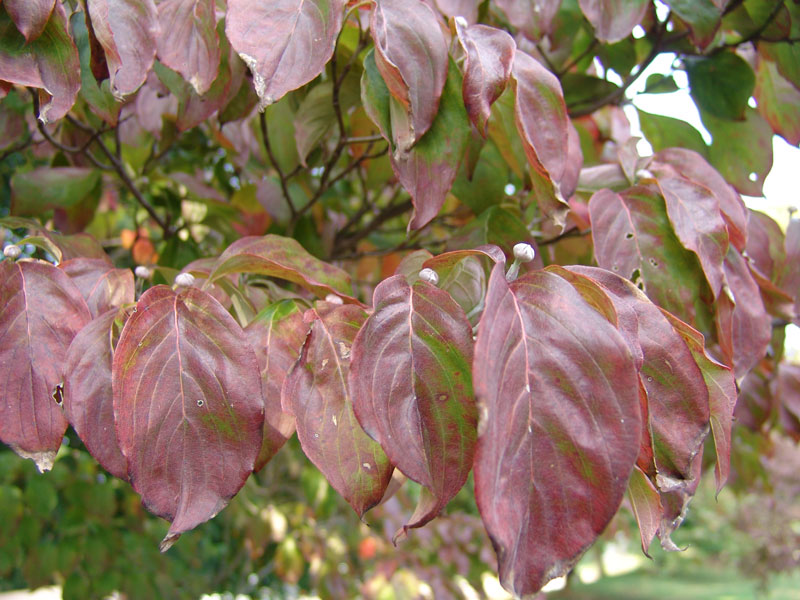
I often think that spring is in full swing when our native flowering dogwood (Cornus florida) comes into flower. Flowering dogwood is the archetypal dogwood, and when we think about dogwoods, this is usually the first thing that comes to mind, with the large showy white bracts surrounding the much less conspicuous interior flowers.
Flowering dogwood has a long history of cultivation and occurs naturally throughout much of the eastern U.S. Humphry Marshall, a cousin of John Bartram, and a well-known 18th century botanist in his own right, wrote that it, “flowers in May and is deservedly ranked amongst the beautiful flowering [trees].” In Colonial times, Cornus florida was used with some success for treating malaria and its branches were used as distaffs in spinning fiber.
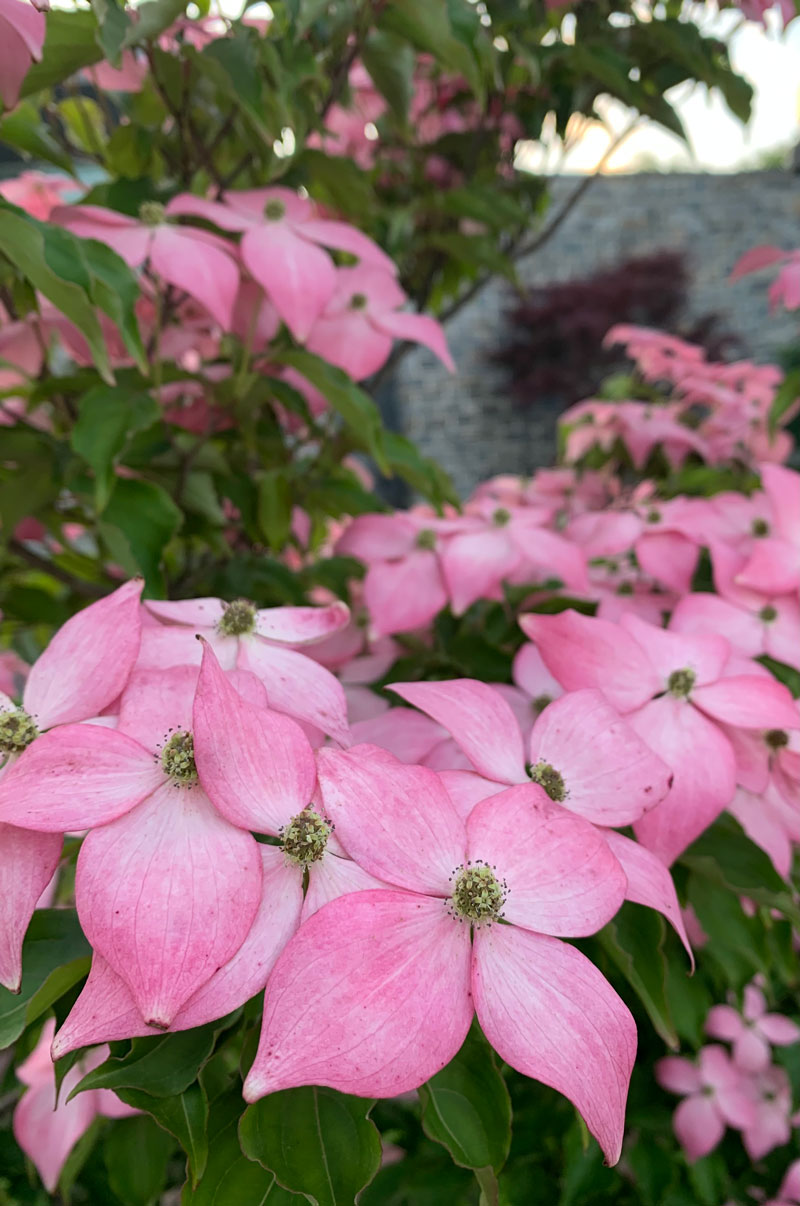
There are numerous varieties of flowering dogwood, selected for the size and color of their bracts, including some with pink bracts and others with a double set of bracts. A medium-sized tree that grows naturally along forest edges, they prefer better soils and protection from harsh sun or wind. Among the varieties, my favorites include ‘Appalachian Spring’, ‘Cherokee Chief’, and ‘Cherokee Princess’.
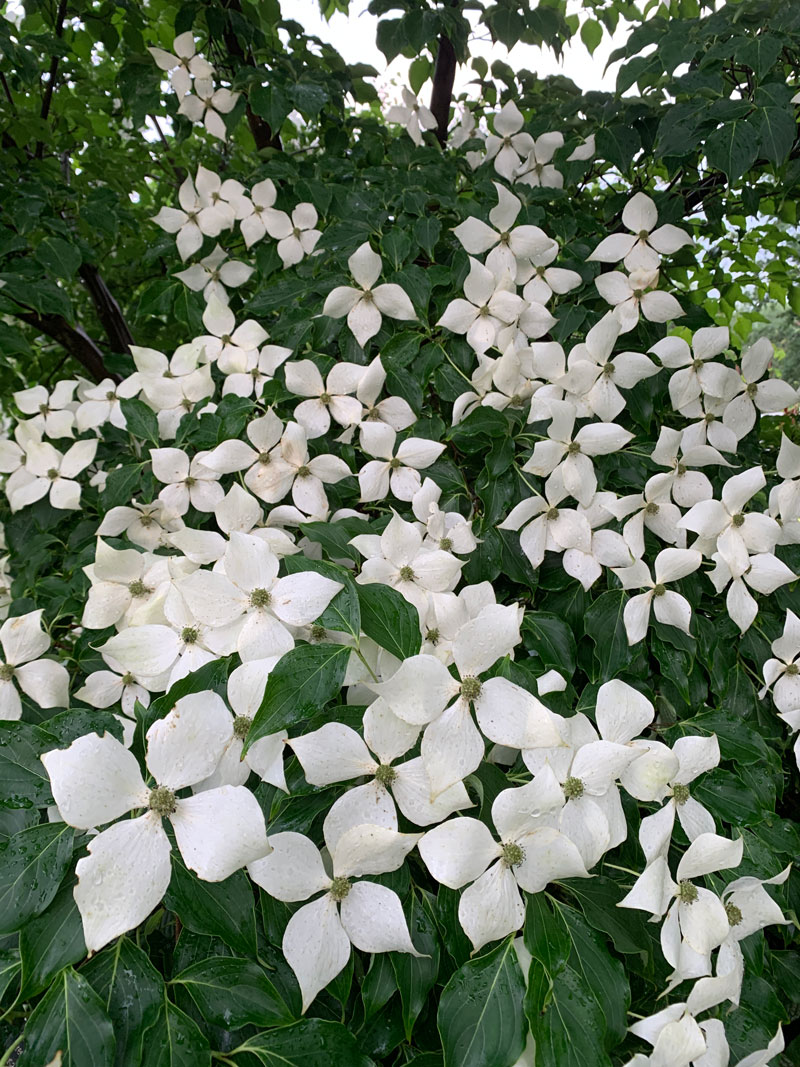
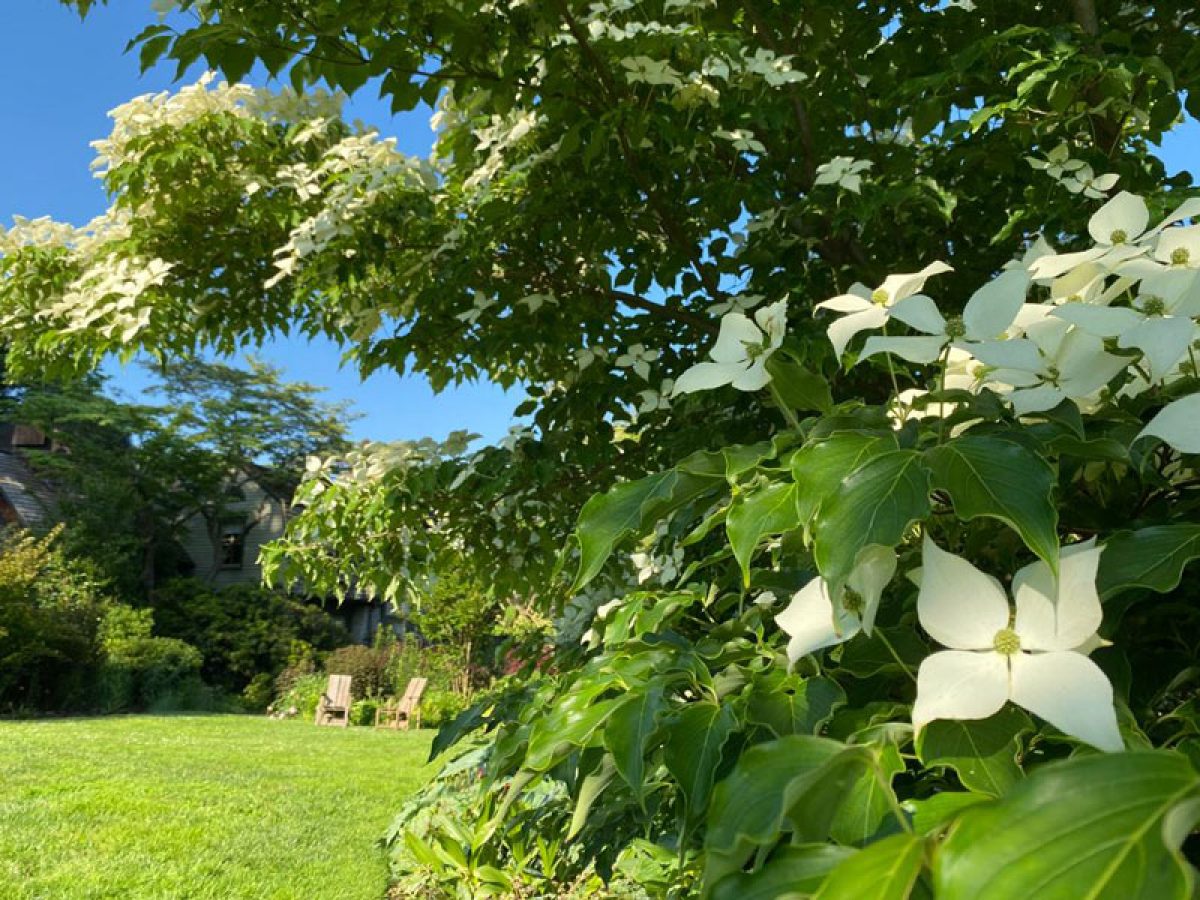
Bookending spring is the arrival of Cornus kousa, the Asian counterpart of large-bracted dogwood. Similar in size, shape, and landscape use to our native dogwood, kousa dogwood flowers appear after its leaves have emerged and while people debate which species they prefer, there is no need for invidious comparisons, and both are excellent garden plants. One of the most interesting recent selections of kousa dogwood is the Rutgers University selection Scarlet Fire®, which is the darkest, most-consistently pink-bracted selection. Two other Rutgers’ hybrid introductions that I highly recommend are Cornus Starlight® and Venus®.
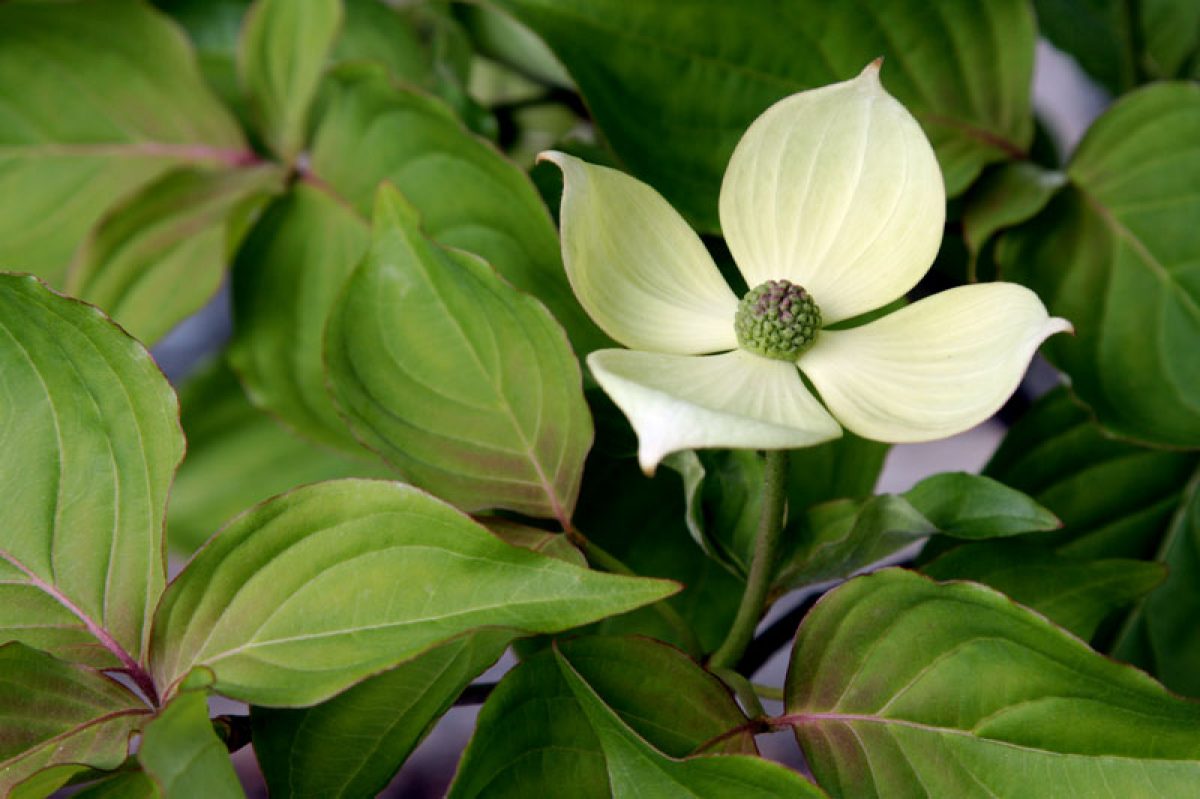
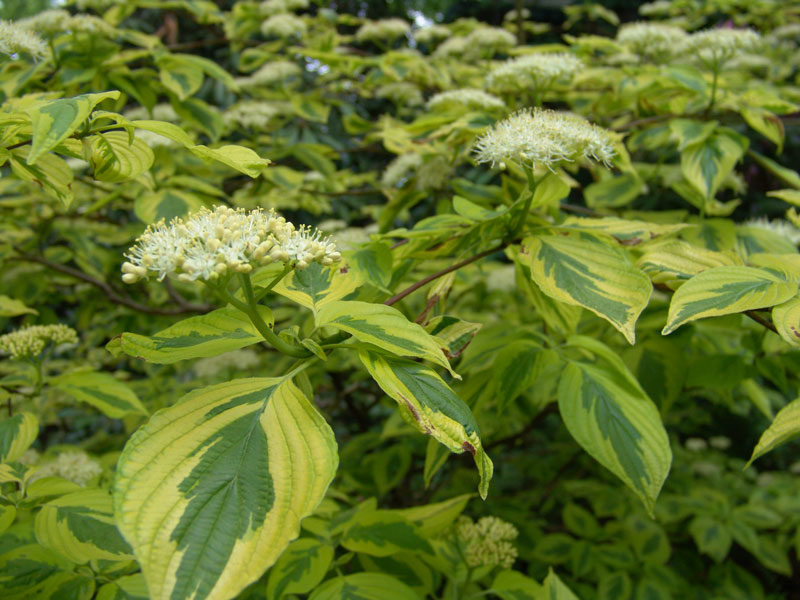
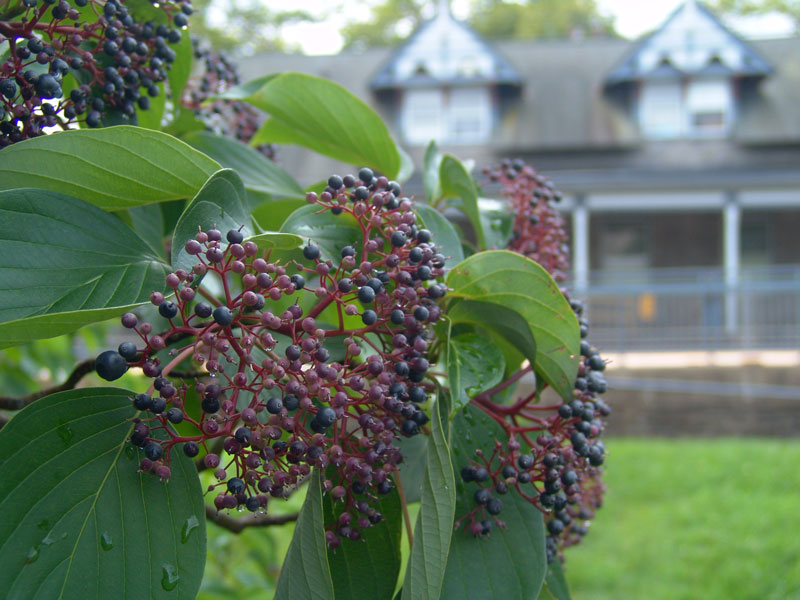
Along with the more recognizable large-bracted trees, the genus Cornus is made up of many other types of plants, including low-growing herbaceous perennials, shrubs with brightly colored twigs, and a diversity of small tree species. These horticultural and functional differences are reflected in current taxonomic thinking, which has divided dogwoods into five separate genera. While this makes taxonomic sense, these divisions have not been fully accepted horticulturally so we still combine all of this diversity into the familiar genus Cornus.
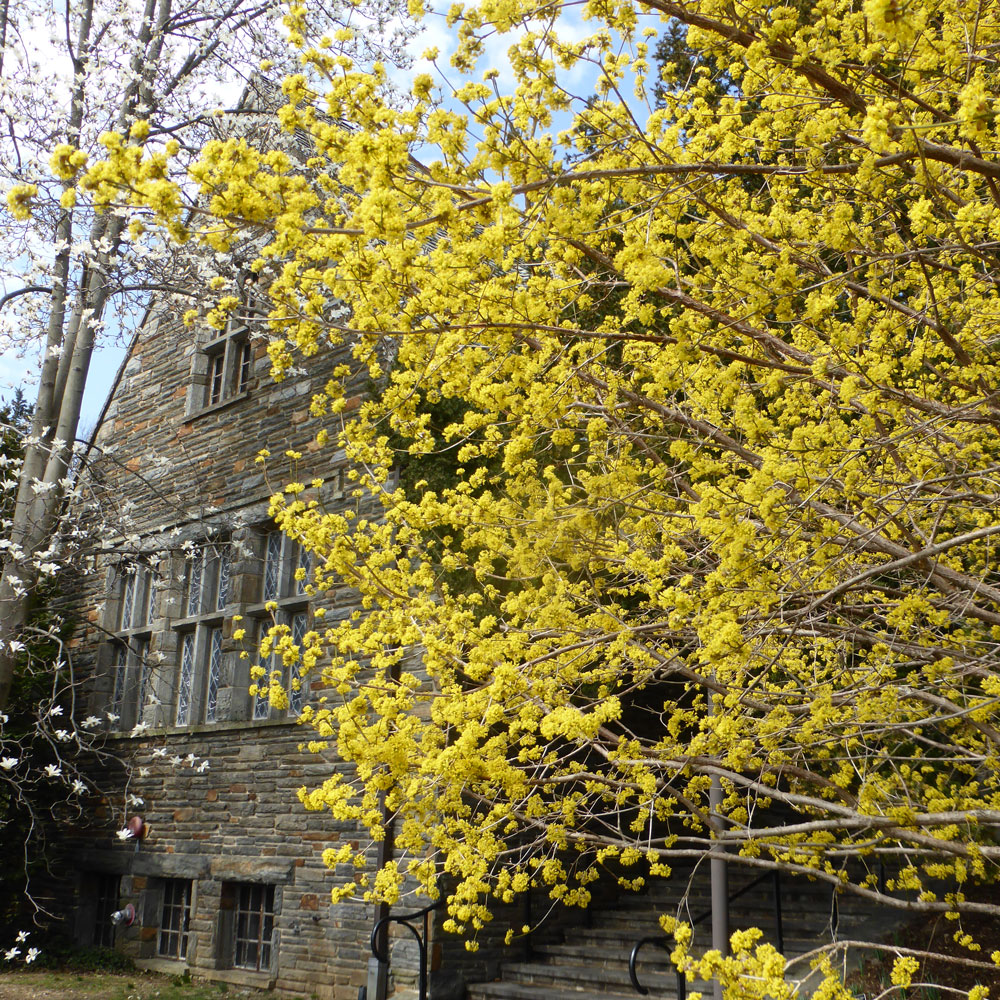
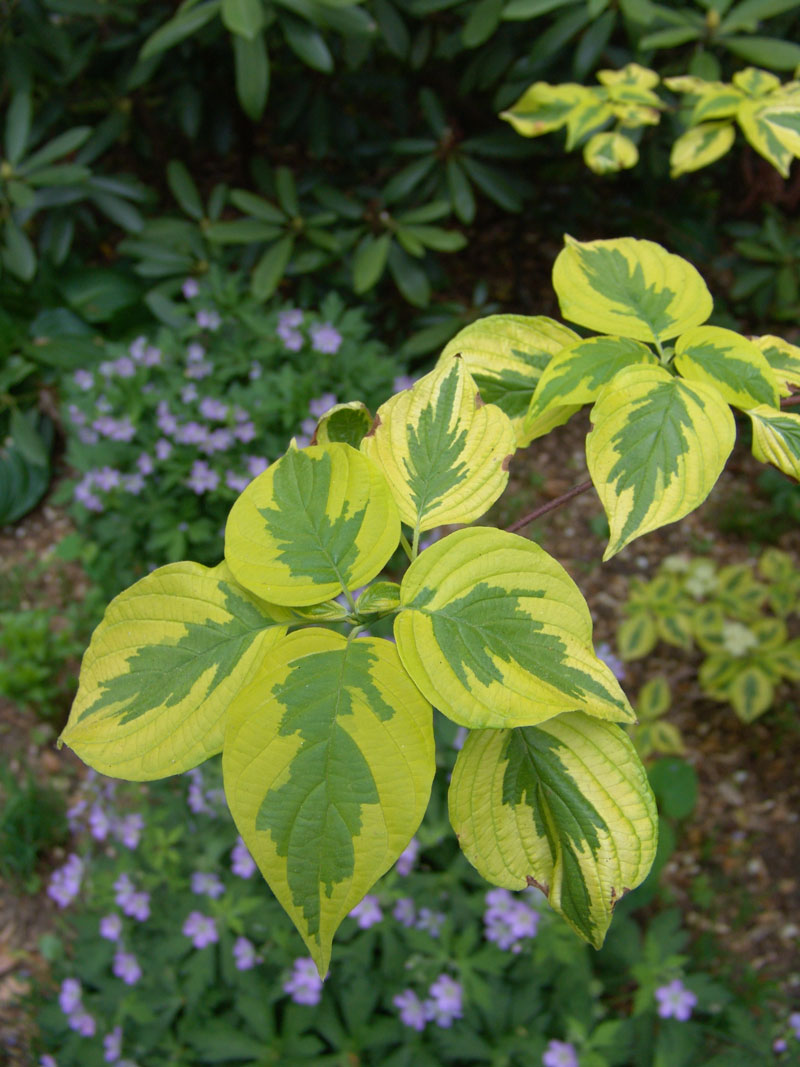
Among these are the shrubby red- and yellow-twigged dogwoods (Cornus alba and C. sericea), excellent for riparian areas or wetter parts of the garden, and coming in a diversity of colors from yellow to orange red to deep red. In very early spring, the cornelian cherries (not from Cornell or cherries), Cornus mas and C. officinalis mark the end of winter with their numerous bright small flowers. And rounding out the dogwoods are our native pagoda dogwood (Cornus alternifolia) and its Asian counterpart, the giant dogwood (C. controversa). The former is a beautiful woodland plant, perhaps best used in slightly cooler climates, while the latter is a large tree that needs a lot of space to grow.
To find out more about the dogwood collections at the Scott Arboretum and Gardens, visit the Arboretum Explorer.
And be sure to mark your calendars for the inaugural Dogwood Doggie Day Out at Scott Arboretum & Gardens on Saturday, April 11, 2026 from 9:30 am – 12 pm. Learn More