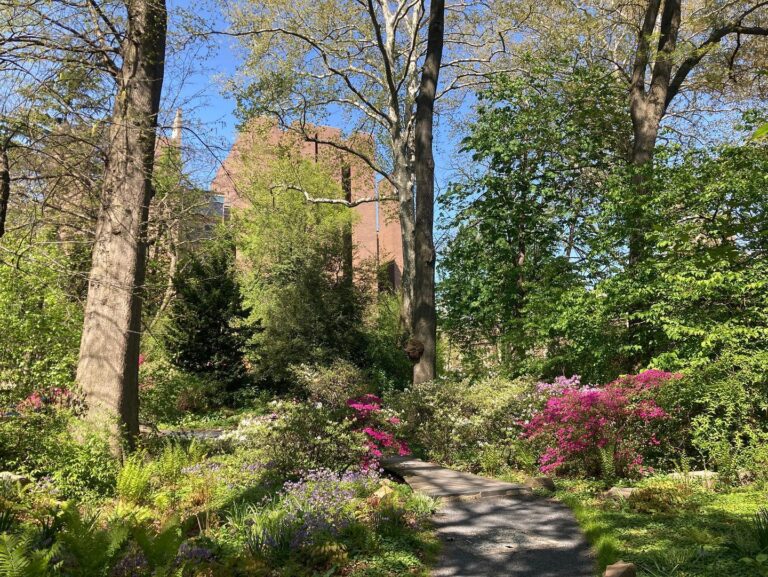
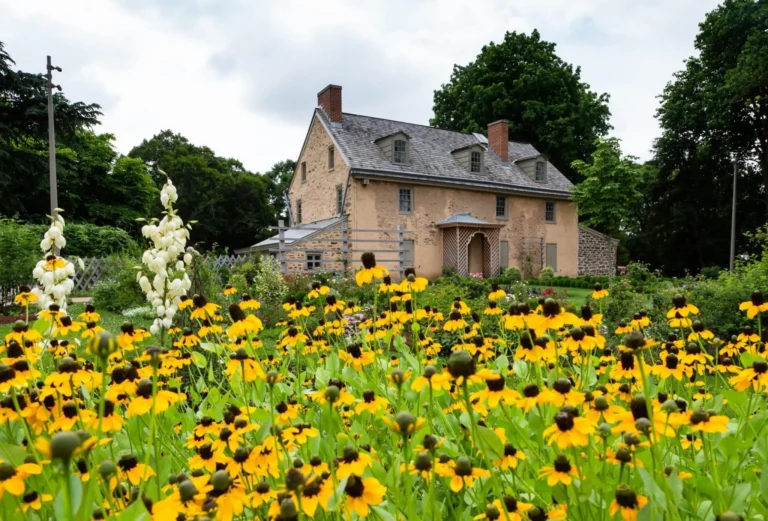
As the United States approaches its 250th anniversary, Seeds of a Nation invites us to look beyond familiar histories and discover the individuals—often overlooked—who helped shape the American landscape. At Winterthur Museum, Garden and Library, one such story emerges through the work of a pioneering woman whose influence still defines the gardens visitors experience today.
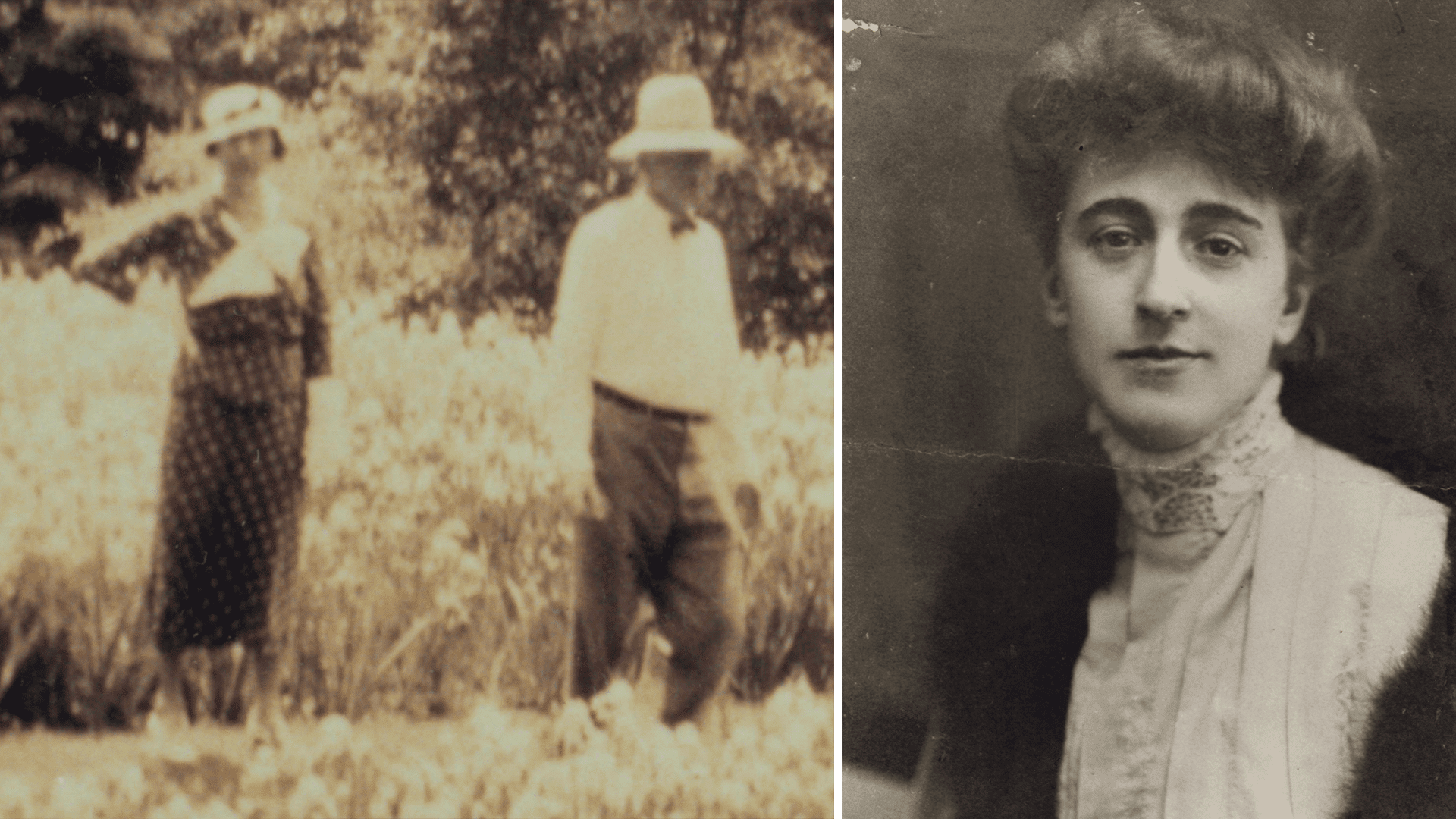
Discover the story of Marian Coffin—a trailblazing landscape architect whose vision helped transform Winterthur into one of the great gardens of America.
Designing a New American Landscape
In the early 20th century, landscape architecture was a male-dominated field. Yet Marian Coffin rose to prominence as one of the first successful female landscape architects in the United States—bringing both artistic vision and technical expertise to her work.
Her collaboration with Henry Francis du Pont began in the late 1920s, when he sought to expand and refine the gardens at Winterthur. What followed was a decades-long partnership that blended two distinct philosophies: du Pont’s love of naturalistic, “wild” landscapes and Coffin’s mastery of formal garden design.
Together, they created a landscape that feels both intentional and effortless—a hallmark of great garden design.
Garden Rooms That Tell a Story
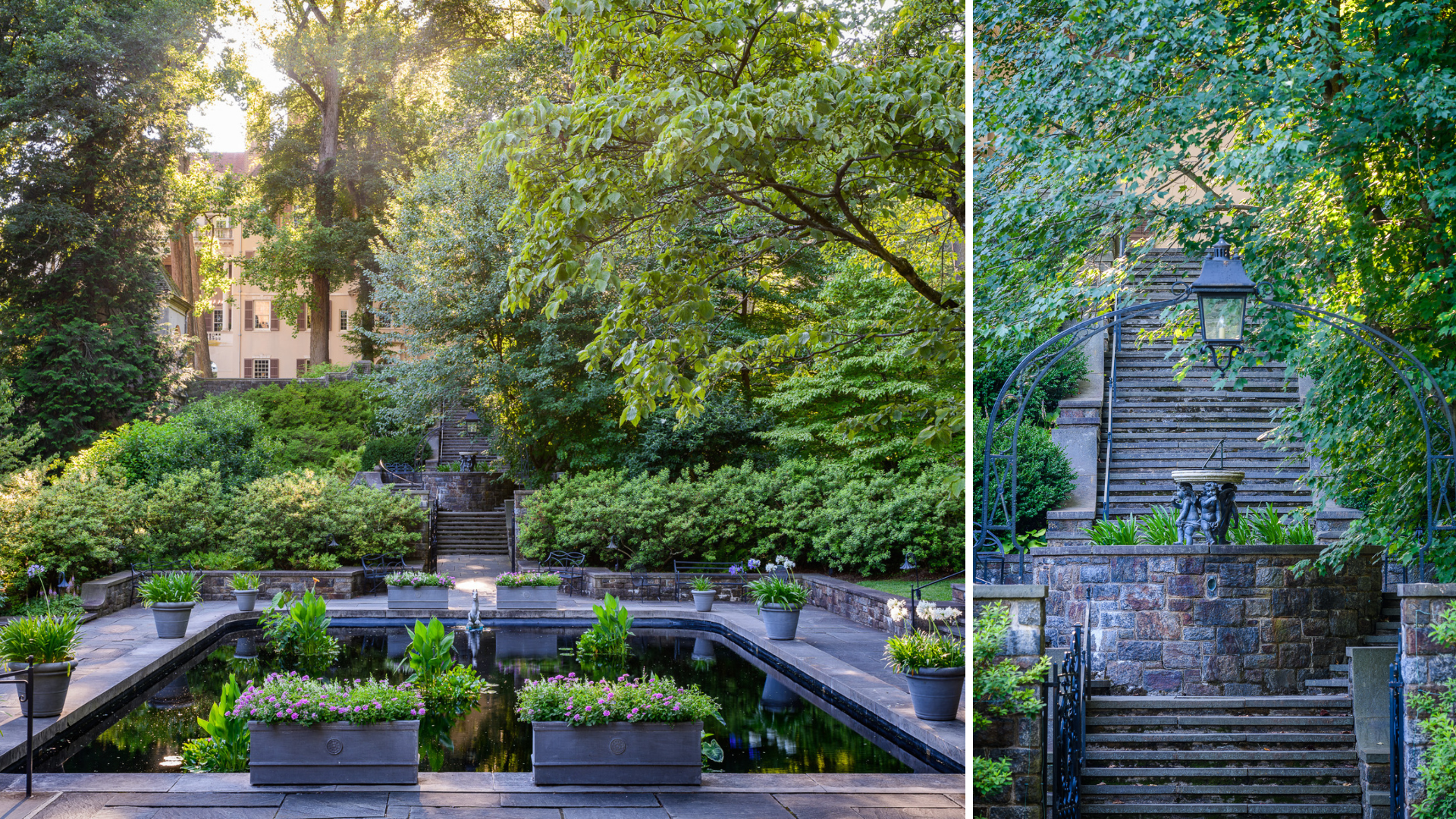
Coffin’s influence can be seen in some of Winterthur’s most iconic spaces—each designed not just as a collection of plants, but as an immersive experience.
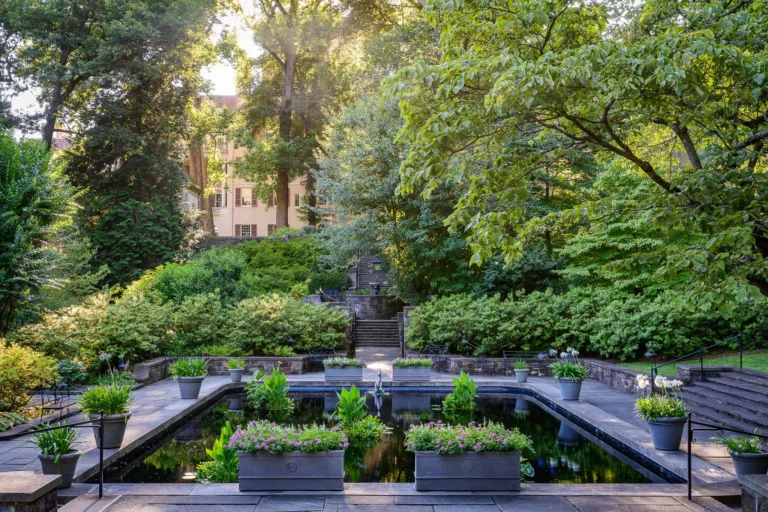
- The Reflecting Pool: Inspired by Italian Renaissance gardens, this space uses symmetry, proportion, and a dramatic descending staircase to create a sense of calm and grandeur.
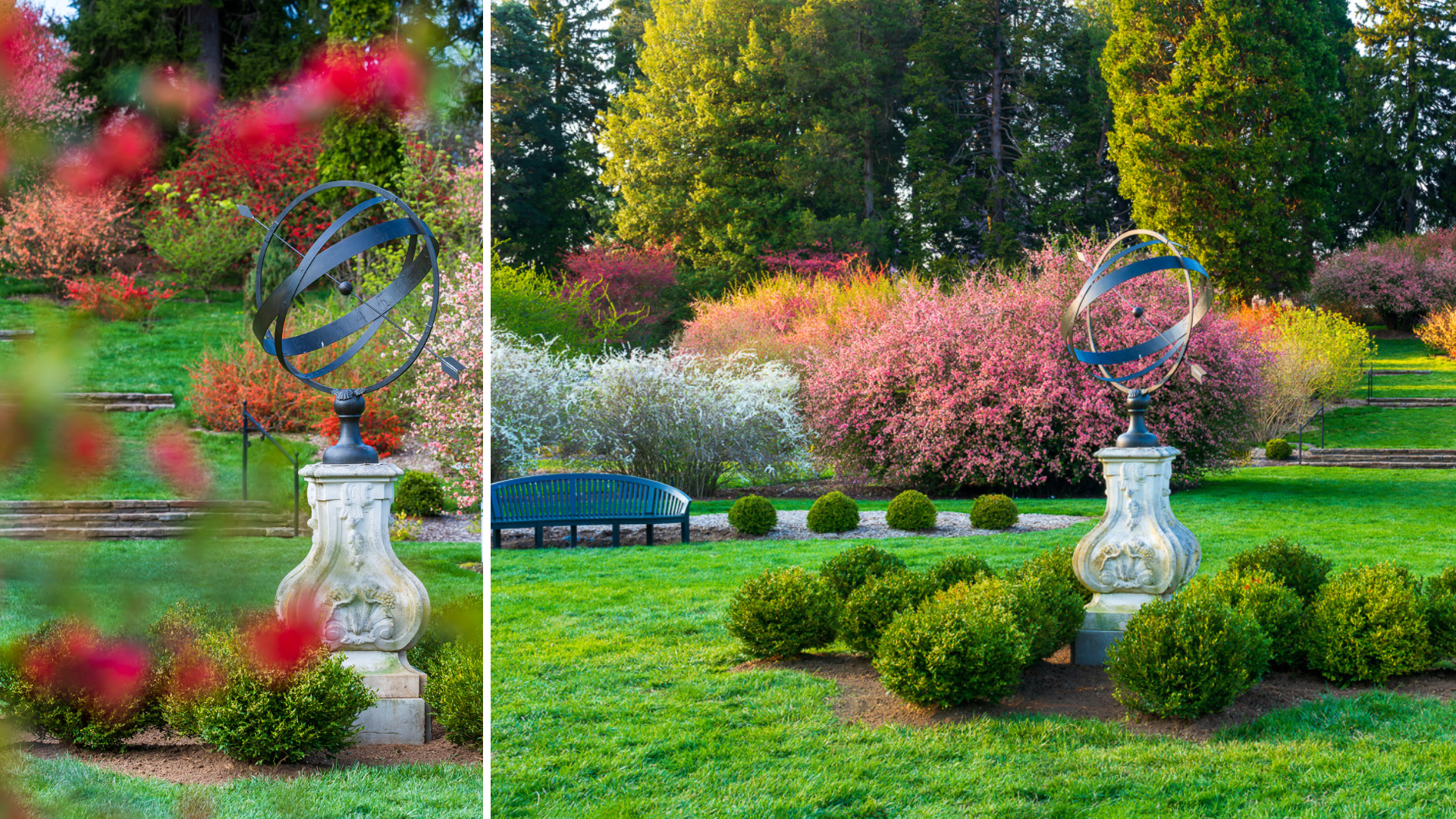
- The Sundial Garden: Designed as a spring garden “all pink and white,” this circular planting features layers of flowering trees and shrubs arranged around a central armillary sundial—creating what Coffin described as a “room made of flowers.”
- The Glade Garden: A more naturalistic contrast, with shaded pools and waterfalls offering a cool retreat in the summer months.
These spaces reflect a defining idea in American horticulture: that gardens can be experienced as a sequence of environments—each with its own mood, seasonality, and sense of place.
A Woman Ahead of Her Time
Coffin’s work at Winterthur represents more than beautiful design—it marks a turning point in the history of American landscapes.
At a time when women were often excluded from large-scale commissions, Coffin led one of the most significant garden projects of the era. Her ability to merge European design influences with an American sensibility helped shape a distinctly American approach to garden-making—one that balanced structure with nature, elegance with livability.
Her legacy lives on not only in the physical landscape, but in the broader recognition of women’s contributions to horticulture—many of whom, like Coffin, were historically underrepresented in the narrative.
Why Visit Winterthur Today?
Winterthur captures the spirit of Seeds of a Nation: a place where design, history, and horticulture come together to tell a deeper story about America.
Here, you can:
- Experience gardens shaped by one of America’s earliest female landscape architects
- Explore a blend of formal and naturalistic design that defines American garden style
- Walk through immersive “garden rooms” that change with the seasons
- Discover how collaboration and creativity shaped one of the country’s great estates
Plan Your Visit
Marian Coffin’s work reminds us that the American landscape was not shaped by a single vision, but by many voices—some of which are only now receiving the recognition they deserve.
As we reflect on 250 years of American history, Winterthur offers a powerful perspective: that the nation’s story is not only built—it is planted, designed, and cultivated over time. Visit Winterthur.org to plan your visit.
Marian Coffin at 150: Celebrating the Legacy of a Pioneer in Landscape Architecture
September 24–25, 2026
Register now for this two-day symposium celebrating the remarkable achievements of Coffin, and her influence on the field of landscape architecture and historic garden and landscape preservation.